The One White Shirt That Earns Its Place
Sep 25, 2026 · Dana Reyes
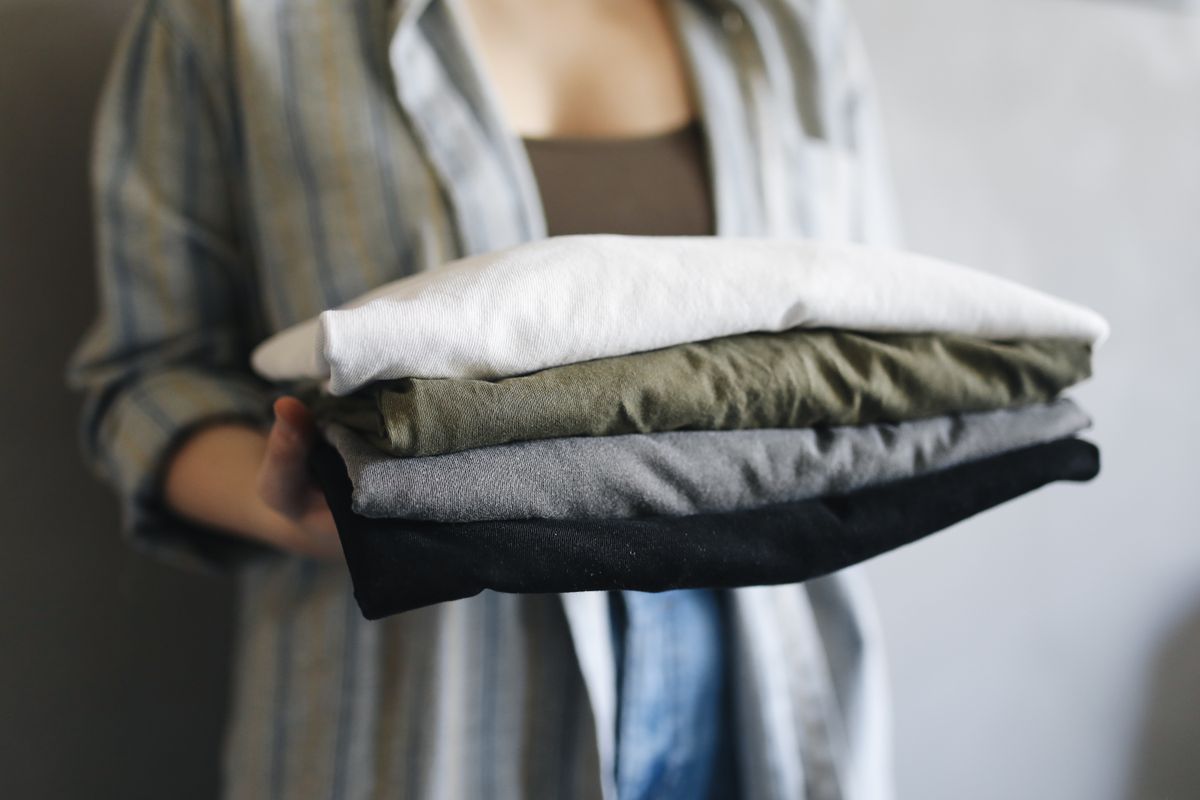
A white shirt is the easiest thing in a wardrobe to buy badly and the hardest to replace well. Most people own one that was fine for a season and then quietly stopped working: it went sheer in daylight, the collar curled, or the underarm gave out. This guide covers what to check before you buy — fabric family, weight and opacity, shoulder fit, seams and buttons — and names three shirts currently on sale that clear those bars.
Why most white shirts do not last
Four failure modes account for nearly every disappointing white shirt, and none of them is mysterious.
Opacity is the first: a shirt that looks crisp on a hanger can be transparent in daylight, which quietly demotes it to a layering piece you did not ask for. The second is abrasion — the underarm seam and the cuff edge take more friction than any other part of a shirt. The third is collar collapse, since a fused interlining that bubbles after washing cannot be pressed back into shape. The fourth is fit drift: with the shoulder seam off the shoulder bone, the shirt pulls across the back every time you reach forward, and that tension splits seams.
None of these is an argument for spending more for its own sake. They are reasons to check a handful of things before paying, all from a product page.
Fabric: poplin, oxford and linen
The three families below cover almost every white shirt you will be offered. They are not grades of quality; they are different answers to different days.
| Fabric | Weave and hand | Reads as | Trade-off |
|---|---|---|---|
| Poplin | Plain weave, smooth and crisp | Sharp, office-ready | Shows creases and loses its finish fastest |
| Oxford | Basket weave, softer and thicker | Relaxed, casual | Too heavy for high summer; bulkier to layer |
| Linen | Open weave from flax fibre | Lived-in, warm-weather | Creases immediately; sheerer at low weights |
Poplin is what most people picture when they say “white shirt”: a flat, crisp surface that holds a collar and takes a press, which is why it is the default under tailoring. The cost of that crispness is that it shows every crease and, at low weights, whatever is underneath it.
Oxford is the same fibre woven differently — a basket weave that is thicker, softer and more opaque for a given weight. It forgives a long day and hides the wear that shows early on poplin, at the price of being warmer and bulkier.
Linen is a different fibre rather than a different weave. Flax is long and strong, so linen softens with washing instead of thinning, and it is the coolest of the three in heat. A lightweight white linen is also the most likely to need a layer underneath.
Weight and opacity
Few brands publish grams per square metre for shirting, so you work from proxies. The most useful is the yarn count, when published: Everlane, for example, describes one of its poplins as “100/2,” a two-ply yarn and a reasonable signal the cloth is not a single-ply sheer. Certification tells you about the fibre’s origin rather than its weight; our guide to reading a composition tag covers what a tag does and does not assert.
The other proxy is review language. Search reviews for “sheer,” “see-through” and “needs a cami”; on the shirts below, the review topics published by the brand repeatedly flag weight and material.
Fit: the shoulder line first
Fit is where most returns come from, and it is mostly one measurement. The shoulder seam should land at or just past the edge of your shoulder bone. Short of it and the shirt pulls across the back; well past it and the whole garment hangs off you, which reads as borrowed rather than relaxed.
Then check armhole height — a low armhole restricts reach and stresses the underarm seam — and hem length against how you tuck. “Relaxed fit” and “oversized” are not the same thing across brands: Everlane’s fit guide defines relaxed as intended to drape loosely, which still assumes a shoulder in place.
Seams, buttons and the small things
Look for flat-felled or at least double-stitched side seams, where the raw edge is enclosed rather than overlocked, and a higher stitch count per inch at the side seam and armhole. Both show up in product photography if you zoom in.
Buttons separate a shirt that lasts from one that does not. Mother-of-pearl and corozo are denser than polyester and can be replaced individually; a cheap polyester button cracks, and once the top button goes the collar stops sitting flat. Check whether the shirt ships with a spare — it costs the brand almost nothing and says whether they expect you to keep it.
What we checked
We read the published product specifications on Everlane’s US storefront for each shirt below — fibre content, fit label, care instructions, dimensions and price — together with the verified-purchaser review summaries on those same pages. We did not run our own wear or wash testing; where a statement here concerns how a shirt behaves over time, it comes from those published reviews or the brand’s material notes and is attributed as such. The figures below are what the US storefront showed on the publication date, when all three were discounted.
What to buy
Three shirts from Everlane, because they cover the three fabric families above at the same listed price and can be compared on identical criteria.
The Everyday Shirt in Silky Cotton is the poplin-family pick. Everlane’s page lists it as 100% Supima cotton — a US-grown extra-long-staple fibre the brand says gives more durability and a softer hand — in a relaxed fit with a long length and a shirttail hem. Published purchaser reviews average 4.3 from 65 reviews, with fit and fabric the most-discussed topics; several describe the fabric as lighter than they expected, which matters if opacity is your concern.
The Everyday Oxford Shirt is the pick if you want the shirt that hides a long day. The page lists 100% certified organic cotton made at AQL Wovens in Madagascar, with OCS 100 and GOTS certification shown, in the same relaxed fit. Oxford’s basket weave makes it the most opaque of the three at a given weight and the most forgiving of creasing. Its published rating is lower — 3.0 from 8 reviews — and that sample is small enough to treat as anecdotal; the recurring note is that the fabric is thinner than some buyers wanted.
The Must-Have Shirt in Linen is the warm-weather pick and has the largest body of public feedback of the three. Everlane lists it as 100% European Flax linen from Belgium, France and the Netherlands, grown without GMOs and with little to no irrigation, the fibre extracted mechanically. Linen is the strongest of the three fibres and holds up well when wet, and it softens rather than wears out. Published reviews average 4.6 from 633 reviews, with fit the most discussed topic and a recurring suggestion to size up. Our piece on linen, hemp and organic cotton goes into the fibre itself.
If you buy one, buy for the climate you live in and the shoulder that fits. Two good shirts outlast five thin ones, and the one you reach for weekly is the one that earns its place.
Care that extends the life of a white shirt
All three carry the same published care instruction: machine wash cold with like colours, non-chlorine bleach only when needed, tumble dry low, warm iron as needed. Chlorine bleach oxidises cellulose, so repeated use thins the fabric exactly where a shirt takes the most abrasion. Wash inside out, dry on a hanger rather than crushed in a pile, and press while damp.
Repair rather than replace: collar wear and a split underarm seam are both straightforward fixes, and our guide to visible mending covers the basic stitches.
Sources
Everlane product pages for the three shirts named above (fibre content, fit, care, dimensions and published reviews), plus the brand’s women’s shirting listing for availability on the publication date. Care advice follows those published labels.
FAQ
- Which fabric lasts longest in a white shirt?
- Linen has the longest fibre life and gets softer rather than weaker, but it creases and looks casual. Oxford is the most forgiving of the three and hides wear best. Poplin is the crispest and the most prone to looking worn once it loses its finish.
- How do I tell whether a white shirt will be see-through?
- Check the yarn count if the brand publishes one, read reviews for the word sheer, and prefer oxford or a heavier poplin over a fine voile. A shirt that needs a specific underlayer to be wearable is not a basic.
- Is an expensive white shirt worth it?
- Only up to a point. What you are paying for is seam construction, button quality and a collar that survives washing, not a label. Cost per wear still favours the shirt you actually reach for, so buy the fabric and fit you will use.
Our picks
Some links below are affiliate links — we may earn a commission at no extra cost to you.
Everyday Shirt in Silky Cotton
Best crisp shirtEverlane's Supima cotton shirting in a relaxed, long-length cut with a shirttail hem. The pick when you want the classic crisp white shirt that tucks and layers under tailoring.
- + 100% Supima cotton, extra-long staple
- + Relaxed fit with a shirttail hem
- + Largest review sample of the cotton options
- − Lighter in hand than some buyers expect
- − Shows creasing more than oxford
Everyday Oxford Shirt
Most opaqueA certified-organic cotton oxford, made at AQL Wovens in Madagascar with OCS 100 and GOTS certification shown on the page. The pick when opacity and crease resistance matter more than crispness.
- + 100% certified organic cotton
- + OCS 100 and GOTS certification published
- + Basket weave hides wear best
- − Review sample is small
- − Some reviewers wanted a heavier fabric
- − Bulkier under knitwear
The Must-Have Shirt in Linen
Best for heat100% European Flax linen from Belgium, France and the Netherlands, mechanically extracted and grown with little to no irrigation. Softens with washing instead of thinning out.
- + Strongest fibre of the three
- + Coolest option in warm weather
- + Large published review sample
- − Creases immediately
- − Needs a layer underneath at this weight
- − Reviewers often suggest sizing up
Three in-stock white shirts, compared on the criteria in the guide
| Silky Cotton | Oxford | Linen | |
|---|---|---|---|
| Fibre | 100% Supima cotton | 100% organic cotton | 100% European Flax linen |
| Weave | Smooth plain weave | Basket weave | Open plain weave |
| Fit label | Relaxed, long length | Relaxed, long length | Relaxed |
| Opacity | Good, lighter than it looks | Best of the three | Lowest of the three |
| Certification shown | Supima origin claim | OCS 100, GOTS | European Flax standard |
| Published rating | 4.3 from 65 reviews | 3.0 from 8 reviews | 4.6 from 633 reviews |
| Price (US storefront) | $88 | $88 | $88 |
| Pick for | Crisp and tucked | Hiding a long day | Heat and softness |
Sources
Edited by
Dana Reyes
Researches garment construction, fibre content and brand sustainability claims. Ten years between the retail floor and editorial fact-checking.