Patagonia Reviewed: What the Worn Wear and Repair Promise Actually Covers
Sep 20, 2026 · Dana Reyes
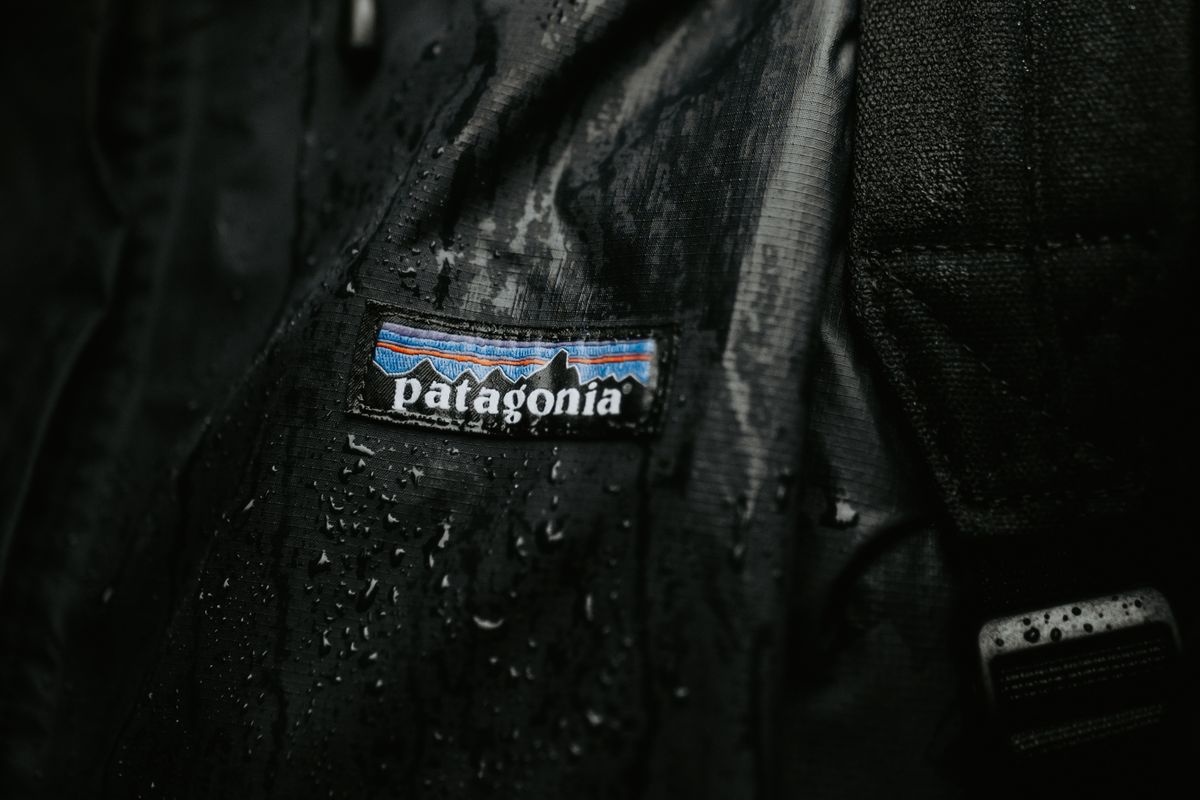
Patagonia is the brand most often named when people talk about “sustainable outdoor clothing,” and it is worth taking that claim seriously rather than at face value. This review looks at three things the company actually publishes: the Ironclad policy, the self-service and mail-in repair program, and Worn Wear, its used and repaired resale arm. We are not grading vibes; we are grading documents, product design, and the practical options left after something tears.
That distinction matters. Recycled inputs can reduce demand for virgin material, but a new jacket still has an impact. Repair can extend useful life only when the service is accessible and the garment is worth repairing. The buyer must still separate a good system from a reason to buy something unnecessary.
The repair program is the real asset
Most brands sell a jacket and leave the owner to find a tailor who may not have the right technical fabric or replacement hardware. Patagonia publishes care and repair information, offers a mail-in route, and provides guidance for straightforward fixes that can be handled at home. That matters because a shell with a torn cuff or a failed zipper may still have years of useful fabric left. Repair keeps that embedded work in service rather than treating one damaged component as the end of the whole garment.
Technical pieces make the program especially relevant. Waterproof shells and insulated layers use seam tape, coatings, light face fabrics, and specialized closures that a general alterations shop may not stock. A brand-supported route gives the owner somewhere to start when local repair is not practical.
The catch is friction. Mail-in service involves assessment, shipping, and time away from the garment. Some damage may be considered ordinary wear, and a repair can change the appearance of a well-used piece. Low-cost basics may be more sensible to mend locally. Before sending anything, photograph the damage, read the current instructions, and ask whether the fix is structural, cosmetic, or a care problem. The program is real; it is not effortless.
What we checked
We used Patagonia’s product descriptions, care and repair materials, Ironclad policy language, and Worn Wear information. A product page describes construction and intended use; a repair page shows whether support exists after checkout. Worn Wear shows that some products can circulate after a first owner, although resale availability does not prove that every style ages equally well.
We also looked for limits. A material label can tell you whether a shell uses recycled content, but not how long a particular owner will keep it. A warranty can explain available remedies, but not eliminate abrasion, coating fatigue, or poor care. If you want a framework for reading those labels without treating one fiber as a complete verdict, see our guide to decoding composition tags.
We did not conduct wear, wash, waterproofness, or laboratory testing. Fit, color, price, and stock can change. The judgment here is narrower: whether the product’s purpose is clear, support exists, and the sustainability story stops short of a complete life-cycle account.
What we compared
We looked at two of the brand’s familiar shells and layers because they sit at the center of the “buy it once” argument: the Patagonia Torrentshell 3L Jacket and the Patagonia Nano Puff Insulated Jacket. Both are presented as wardrobe workhorses, but they solve different problems. Treating them as substitutes would lead to the wrong purchase.
The Torrentshell is a rain layer, not insulation. Its job is to block weather while leaving room for layers underneath. That makes it useful in a wet climate or for a traveler who already owns a fleece or sweater. The tradeoff is the usual one for a technical shell: weather protection can feel stiffer and sound louder than a soft everyday jacket. It is poor value if the buyer mainly wants warmth.
The Nano Puff is a synthetic-insulated layer intended for light, packable warmth. It can work on its own in mild conditions or sit under a roomier shell when the weather turns colder. The thin outer fabric is part of what makes the piece easy to pack, but it also calls for more care around sharp branches and rough surfaces. It is not a replacement for a dedicated rain shell in sustained wet weather.
Where the claim holds
Repair is where Patagonia’s position is strongest. The company does not merely tell customers to keep clothing longer; it publishes a path for care, home fixes, and assessment. Worn Wear adds another possible destination for eligible items that no longer suit their first owner. We do not recommend buying resale on this site, but the program is still relevant evidence when evaluating the brand’s product-life claims.
A narrowly defined rain shell or insulated layer is easier to evaluate than a fashion hybrid that promises every function. Ask whether it fills a repeated need in your week. If so, repair information may help it stay in rotation longer than a trend-led substitute.
Patagonia also identifies key materials and construction details on product pages. That makes care instructions easier to follow, but it does not turn one recycled input into a full environmental verdict.
Where it does not
Repairability should not be confused with indestructibility. Waterproof performance can decline when the face fabric is dirty or the water-repellent finish needs care; abrasion can damage light shell fabrics; insulation can shift or escape through a puncture. Some problems respond to washing, reproofing, or a patch, while others need professional assessment. The buyer still carries the work of maintenance.
Recycled content is one input, not a full impact score. A new garment still requires manufacturing, finishing, transport, and eventual disposal. Public details describe what an item contains more readily than they provide a consistent account of every impact across the full line.
Worn Wear has limits too. Acceptance, condition, and demand vary, and resale cannot turn an unsuitable first purchase into a good one. The possibility of trade-in should not justify buying a second shell that duplicates one already in the closet.
When buying new makes sense
A new technical layer makes sense when there is a recurring functional gap: rain reaches your midlayers, the existing shell cannot be restored, or the insulation you own does not suit the conditions you regularly face. Start with function, climate, and layering room. Then check care instructions and repair options before comparing colors.
It does not make sense when the purchase duplicates a serviceable jacket, when the activity is hypothetical, or when the most appealing feature is the brand’s reputation rather than the garment’s role. Our wardrobe essentials guide uses the same test: a durable product earns its keep through repeated use, not through a durable-sounding description.
Our picks
If you are choosing between the two workhorses, decide by missing function rather than by overall score. Any product-page ratings shown in the comparison module are snapshots, not our score. The picks here rest on clear purpose, repair support, and broad usefulness rather than an abstract “best.”
Patagonia Torrentshell 3L Jacket
Choose the Patagonia Torrentshell 3L Jacket when rain is the recurring problem and you already have warmth sorted. Check that the cut fits over your usual layers. A shell that is too tight over a sweater or too cumbersome for daily commuting will spend more time in storage, regardless of its material story.
This is not the right choice for someone seeking one soft, warm winter coat. It is a protective outer layer, and its value depends on being used as part of a system. If your current shell only needs cleaning, reproofing, or a small repair, address that first.
Patagonia Nano Puff Insulated Jacket
Choose the Patagonia Nano Puff Insulated Jacket when compact warmth and easy layering matter more than rain protection. It suits a wardrobe that already has a shell but lacks a light insulating layer. Its streamlined build is a functional tradeoff, not evidence that the piece can be treated like heavy workwear.
This is not the right choice if you need a highly breathable active layer for hard output, a plush stationary winter coat, or a waterproof outer layer. Naming the use case first prevents a technically good jacket from becoming an expensive orphan.
Sources
We used Patagonia’s product specifications, Ironclad policy materials, repair and care guidance, and Worn Wear information available as of publication. Current product pages remain the source of record for care, availability, and service instructions. We omitted price examples and precise carbon figures that could not be consistently verified.
FAQ
- Is Patagonia actually more sustainable than other outdoor brands?
- On repair and take-back it is further along than most: a published repair program, Worn Wear resale, and a stated move to recycled and traceable fibres. The gap is transparency on full supply-chain impact, which is still uneven across the line.
- Does Patagonia's Ironclad repair policy cover everything?
- It covers repairs for the useful life of the garment, but not loss, theft, or normal wear you choose not to repair. Worn Wear handles trade-ins and resale, separate from the repair policy.
- Is Worn Wear the same as buying new?
- No. Worn Wear sells used and repaired Patagonia items, usually at a discount, and extends a garment's life. Buying new funds production; buying used extends what already exists.
Our picks
Some links below are affiliate links — we may earn a commission at no extra cost to you.
Patagonia Torrentshell 3L Jacket
Best rain shellA 3-layer H2No shell that does one job — keep rain out — and does it for years. Repairable, packs into its own pocket, and turns up constantly in Worn Wear, a good sign for longevity.
- + Truly waterproof 3-layer build
- + In-house repair program
- + Packs to pocket size
- − Crinkly fabric, not quiet
- − No insulation of its own
Patagonia Nano Puff Insulated Jacket
Best packable warmthA PrimaLoft Gold synthetic insulator that compresses to nothing and keeps working when damp. The layer we reach for most in shoulder seasons and as a midlayer in deep cold.
- + Warm even when wet
- + Packs to a fist
- + Repairable
- + Recycled face fabric
- − Pricier than fast-fashion insulation
- − Shell fabric is thin
Two Patagonia workhorses, compared on the criteria that matter
| Torrentshell 3L | Nano Puff | |
|---|---|---|
| Role | Rain shell | Insulation |
| Key material | H2No 3-layer | PrimaLoft Gold |
| Repairable in-house | Yes | Yes |
| Packs small | Folds into pocket | Yes |
| Best for | Wet climates | Layering cold |
Sources
Edited by
Dana Reyes
Researches garment construction, fibre content and brand sustainability claims. Ten years between the retail floor and editorial fact-checking.