What a $250 Women's Button-Up Owes You: A Fabric and Construction Checklist
Nov 13, 2026 · Dana Reyes
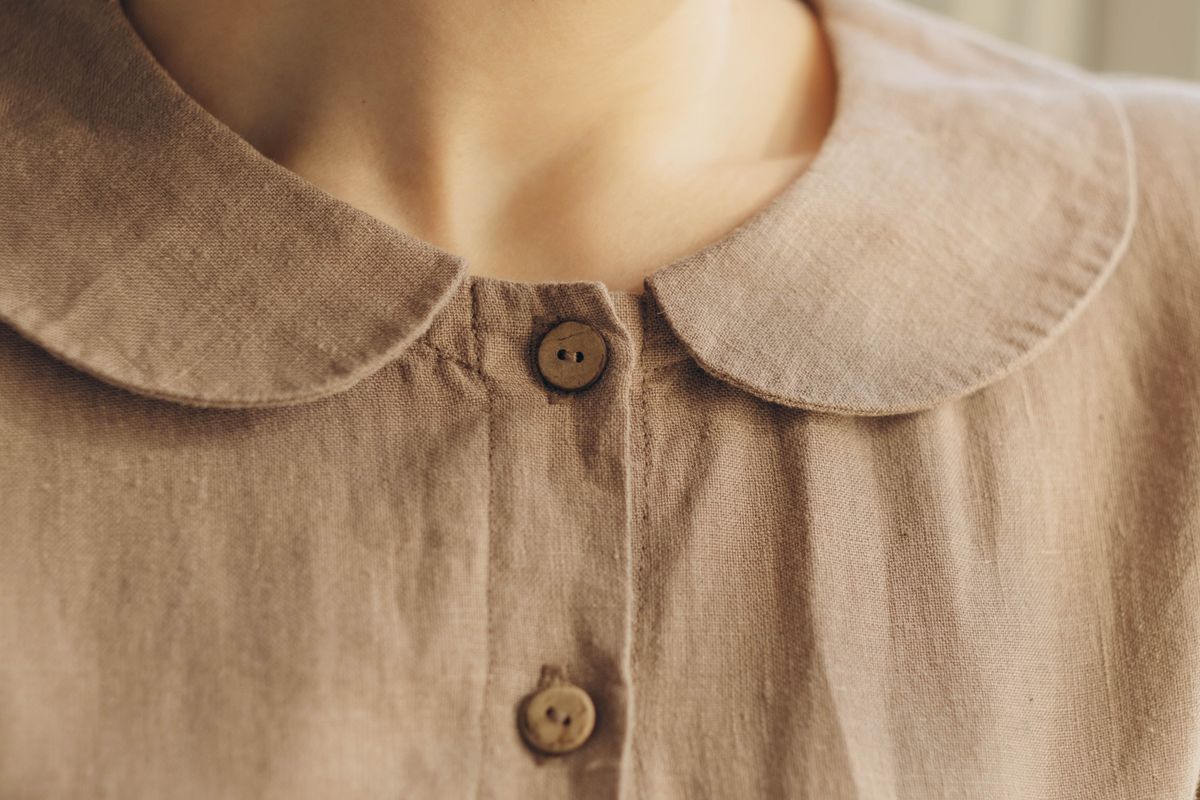
A women’s button-up is one of the most expensive items per wear-day you will ever buy — or one of the cheapest, depending entirely on whether the shirt was built to last. The gap between a $60 shirt and a $250 shirt is real, but it is not about price; it is about six specific things you can check before paying. This guide walks the checklist with a worked example, Frank & Eileen’s Eileen shirt, because it is one of the few womenswear brands publishing fabric provenance at this level. The same checklist works in a fitting room or on a product page, and it pairs well with our white shirt guide if your target is the crisp-office version rather than the relaxed one.
Check the fabric before anything else
Premium shirting lives or dies on the cloth. Look for a named mill or a traceable fibre origin — not “premium cotton”, but something a supplier would put its name on. Frank & Eileen states that its Italian wovens come from the Albini Group, a family-owned mill, and that fabrics can be traced to the field of origin; on its product pages you will find named cloth programs like Italian flannel, Italian corduroy and its Famous Denim. That is the shape of an honest fabric claim: named source, named material, stated origin. Our composition tag decoder covers how to read the label yourself once the shirt arrives.
Weight is the second half of the fabric check. A flannel around a mid-weight handle, a corduroy with visible but fine wales, a denim with actual body — these are tactile judgements, and a good product page gives you enough specification to predict them before the shirt is in your hands.
Check the cut, not the size
The fastest way to spot an engineered women’s shirt is on the product page’s fit description. Frank & Eileen’s pages for the Eileen silhouette describe a relaxed cut with soft rounded shoulders, no back pleat, a shirttail hem long enough to cover the hip, and button placement chosen to sit well across the bust. Each of those details costs the brand something — pattern work, and a decision not to grade down a men’s block. A shirt that only lists measurements is telling you it was sized, not designed. For how a relaxed shirt behaves once it is in your wardrobe, our capsule formula shows the roles a single button-up can cover.
Check construction where shirts die
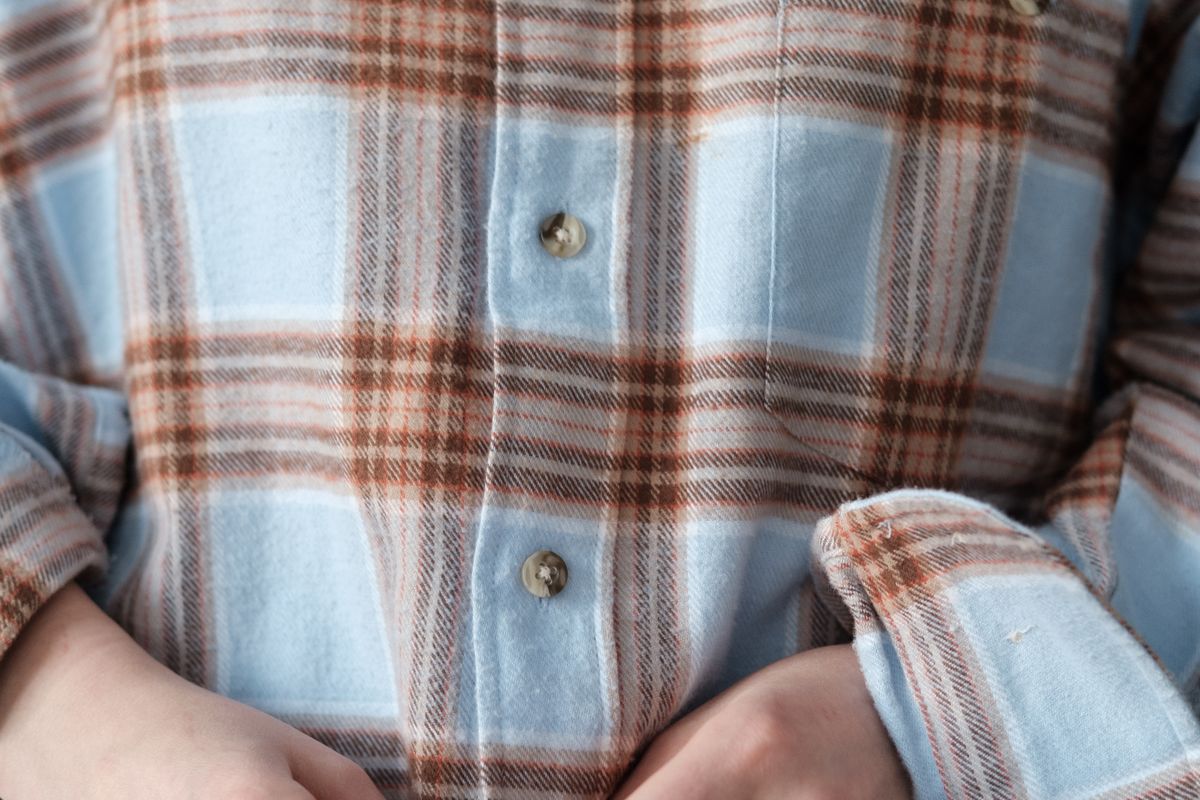
Collars, cuffs and the placket are where cheap shirting fails first. In store, hold the collar up to the light and look for a built, even roll; run a thumb down the placket and feel whether the stitching is dense and straight; check that the last buttonhole is reinforced. Online, read whether the brand publishes care instructions that assume the shirt will actually be washed — Frank & Eileen states its styles are machine washable, which is a smaller claim than it sounds and a useful one. A shirt you are afraid to wash is a shirt you will not wear.
The worked example, in numbers
On the brand’s US storefront in November 2026, the Eileen in Italian Flannel sat at $258 and the Eileen in Italian Corduroy at $288, with the Famous Denim version at $398. Prices move; the fabric names do not. The comparison table at the end of this page sets the three cloths side by side on weight, season and care, and the picks below narrow it to the two we would buy first — the flannel as the all-round benchmark, the corduroy for colder months when you want the shirt to do outerwear’s job.
One caution before you spend: premium shirting is still fashion retail, and prices are set by positioning as much as by cloth. The checklist above is how you tell the difference. A $250 shirt that fails the fabric check is worse value than a $90 shirt that passes it — we have said the same about quality socks and knitwear, and shirting is no exception.
Sources
The Frank & Eileen product pages for the flannel and corduroy versions of the Eileen, plus the brand’s about page, are the sources behind the specifications and prices cited here. Product pages remain the source of record as washes and prices rotate.
FAQ
- What makes a $250 button-up different from a $60 one?
- At the premium end you should expect a named fabric mill or a traceable fibre origin, a cut designed for women's bodies rather than a shrunken men's block, denser stitching at stress points, and buttons with some substance. None of that is automatic — the price tag alone proves nothing, which is why the checklist matters.
- How should a relaxed women's button-up fit?
- Shoulder seams that land on or just past the shoulder, room to move without pulling across the bust, a hem long enough to tuck or leave out, and sleeves you can roll without the cuff fighting back. Product pages that publish fit details — shoulder shape, hem length, button placement — are usually the ones that engineered the cut deliberately.
- Are expensive shirts easier to care for?
- Often yes, but verify per garment. Well-made cotton and flannel shirts in medium weights machine-wash cold and tumble-dry low; the failure point is usually shrinkage or a mangled collar, and better-constructed shirts survive both longer. Always check the care line on the product page before buying.
Our picks
This section contains affiliate links; we may earn a commission when you use them, at no extra cost to you.
Eileen in Italian Flannel
The benchmarkThe version that passes every check on the list: named Italian cloth, an engineered relaxed cut with published fit details, and care instructions written for actual washing. The first premium shirt we would buy.
- + Named mill and traceable-fabric claim
- + Soft rounded shoulders and no back pleat — a designed cut
- + Machine washable
- − Mid-weight flannel is too warm for high summer
- − Premium price
Eileen in Italian Corduroy
For cold weatherThe same engineered silhouette in Italian corduroy — denser body, visible fine wales, and enough weight to do outerwear's job on cold days.
- + Warmest cloth in the Eileen range
- + Works as a shirt-jacket in winter
- + Same traceable-fabric sourcing
- − Heavier and stiffer than the flannel at first
- − Price runs $30 above the flannel
Three Eileen fabrics, compared on the checklist criteria
| Italian Flannel | Italian Corduroy | Famous Denim | |
|---|---|---|---|
| Season | Autumn to spring | Late autumn and winter | All year |
| Price (US storefront, Nov 2026) | $258 | $288 | $398 |
| Hand | Brushed, softens with washing | Fine wales, denser body | Hand-dyed and distressed, substantial |
| Care (as published) | Machine wash cold, tumble dry low | Machine wash cold | Inside out, machine wash cold, tumble dry low |
| Pick for | The all-round benchmark | Cold-weather shirt-jacket duty | The statement piece |
Sources
Edited by
Dana Reyes
Researches garment construction, fibre content and brand sustainability claims. Ten years between the retail floor and editorial fact-checking.