How to Remove Pilling from Knitwear
Sep 25, 2026 · Dana Reyes
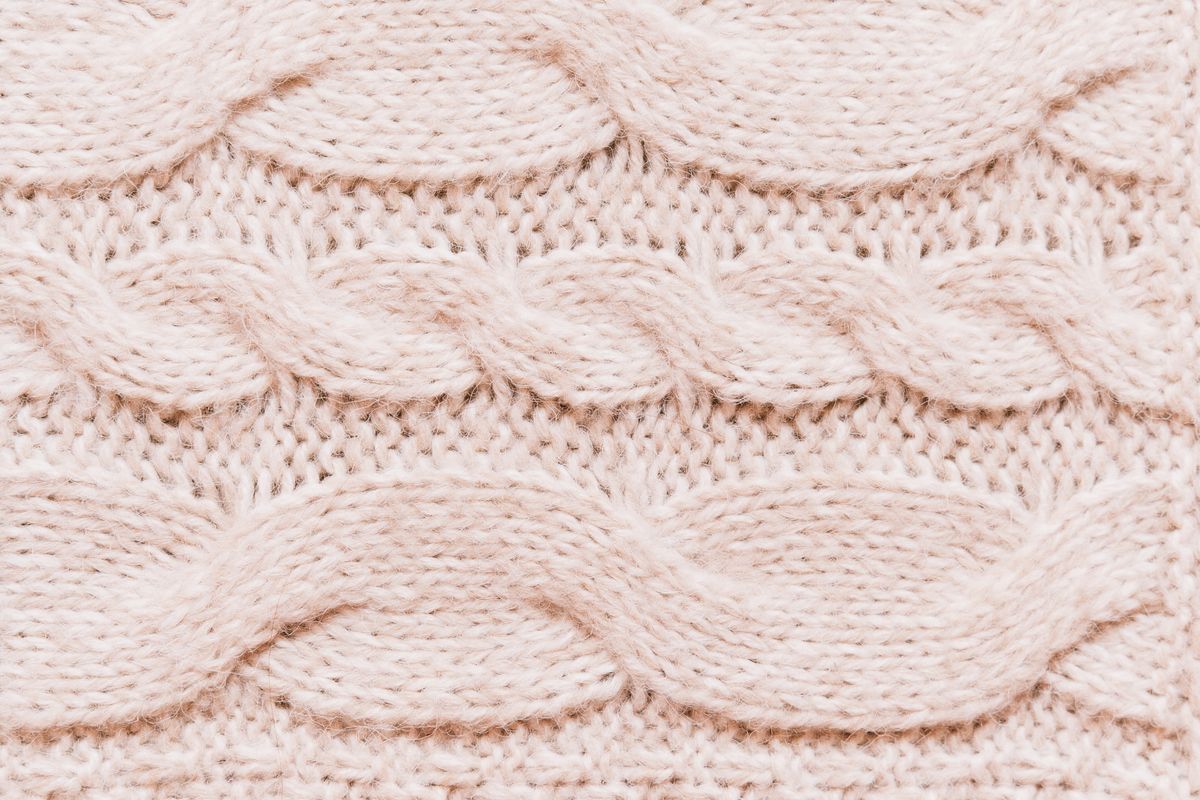
Pills are not dirt and they are not quite a defect. They are loose fibre ends that have worked their way out of the yarn, tangled with each other, and anchored themselves to the surface of the fabric. The sweater underneath is intact. That distinction matters, because most people either ignore pilling until the fabric thins or attack it hard enough to do the damage themselves.
What a pill actually is
Every yarn is made of short fibres twisted together. With wear and washing, some of those fibre ends migrate out of the twist. On the surface they catch on themselves and on neighbouring yarns, and they roll into a small ball that stays attached by a few anchored fibres. The ball is the pill. The yarn that produced it is slightly weaker than it was, which is why heavy, repeated pilling in the same spot eventually becomes a thin patch and then a hole.
The important thing is that pilling is mostly self-limiting on pure natural fibres. Wool pills break off over time and the surface stabilises. Synthetic fibres are much stronger, so a pill formed partly from polyester or nylon tends to stay attached instead of wearing away. This is why a wool knit often looks better after a few wears while a synthetic blend keeps accumulating fuzz.
Why short fibres and blends pill more
Three factors drive it, and they stack:
- Staple length. Short fibres have more ends per centimetre of yarn and less of each fibre locked inside the twist. Long-staple cotton and long, fine wool pill less than their short-staple equivalents at the same yarn thickness.
- Twist. A tightly twisted yarn holds its fibres in place. A soft, lofty, loosely spun yarn — the kind used for brushed and fluffy knits — releases them readily. Softness and pill resistance pull in opposite directions.
- Blends. Mixing a strong synthetic fibre with a weaker natural one gives the pill something durable to hang on to. A small percentage of nylon is often added to improve abrasion resistance; it helps the garment survive rubbing, and it can also mean pills persist rather than shedding. Knit structure counts too: a loose gauge with long floats exposes more yarn surface to friction than a dense one.
None of this means a pilling sweater was a bad purchase. It means the sweater was made to feel soft, and soft yarns shed fibre. If you want to know what you are actually buying at the rack, read the fibre content rather than the hangtag — the reading the composition tag tells you the blend and, indirectly, how the garment will behave under friction.
Removing pills without thinning the knit
Work on a firm, flat surface with the garment smoothed out, not stretched. Lay the sleeve or body over a folded towel or on a table so the fabric has support under the area you are treating. Keep the knit relaxed; pulling it taut while you shave is how pills turn into holes.
A sweater stone or a fine pumice-style block suits sturdy wool and heavier knits: short, light strokes in one direction, letting the stone’s weight do the work rather than pressing down. A metal pill comb with a fine mesh head suits cashmere and finer gauges; glide it flat across the surface and empty it often. An electric fabric shaver is the fastest option for large areas, provided the head has a guard and you keep it moving — holding one in place over a single spot will cut through the yarn.
Whatever the tool, work from the outside of the pilled area inward, use far less pressure than feels necessary, and stop as soon as the surface looks even. Do not chase the last few pills. You are removing surface fibre, not resurfacing the garment.
When not to shave
Some knits should not meet a blade or a shaver at all. Brushed or fluffy yarns — mohair, brushed alpaca, anything with a halo — are built from surface fibre, and de-pilling removes the effect the yarn was made for. Open, lacy, or very loose gauges give a shaver nothing to sit on and plenty of yarn to catch. Hand-knitted pieces with unusual or looped stitches are easy to snag.
On those, use a fine comb or, better, nothing: pick off isolated pills by hand and leave the rest. Also avoid shaving directly over seams, ribbed cuffs, and embroidery, and stop immediately over any area that has already gone thin — the fabric there is close to failing, and removing more fibre will finish it. If the area has thinned rather than pilled, that is a repair job, not a grooming job.
Prevention is mostly laundry and friction
Pilling is driven by rubbing, and most rubbing happens in the wash. Turning knits inside out puts the friction on the reverse side and leaves the face smoother. A wool or delicates cycle, cool water, and a mesh bag all reduce abrasion. Wash less often: wool in particular does not need laundering after every wear, and airing overnight handles most of what a wash would. For wool-specific method and temperature detail, see our guide to washing wool sweaters.
Dry flat. Tumble drying adds heat, tumbling, and a great deal of rubbing against itself and the drum — three things that produce pills and, in wool, felting.
The rest is wear pattern. Pills concentrate under the arms, along the sides where your arms rub, at the cuff, and wherever a bag strap, seat belt, or desk edge repeats the same motion every day. Rotating what you wear gives fibres time to recover, and it spreads the wear across more garments instead of concentrating it on one favourite.
What you cannot do is stop it entirely. Any yarn spun from staple fibre will shed some ends. The realistic goal is a knit that sheds less, pills less with each wash, and gets de-pilled gently once or twice a season instead of being scrubbed back to a bald patch.
FAQ
- Does pilling mean the sweater is poor quality?
- Not on its own. Pilling happens when loose fibre ends work out of the yarn and tangle on the surface. Fine, soft fibres and loosely twisted yarns pill more readily, and those same qualities are what make a sweater feel good. Persistent pilling combined with thinning fabric is the real warning sign.
- Can you use a razor or scissors on pills?
- Both risk cutting the fabric underneath. A razor blade shaves the surface yarn as easily as the pill, and scissors slip. Use a sweater stone, a pill comb, or a fabric shaver with a guarded head, and keep the fabric flat and supported while you work.
- Is there a way to stop pilling completely?
- No. Any yarn made from short staple fibres will pill to some degree, especially at friction points. Washing less often, turning knits inside out, using a gentle cycle, and letting garments rest between wears reduce it substantially, but they do not eliminate it.
Edited by
Dana Reyes
Researches garment construction, fibre content and brand sustainability claims. Ten years between the retail floor and editorial fact-checking.